Acupuncture is a traditional oriental therapeutic system that treats a variety of physical and mental conditions by regulating the flow of energy in our bodies. According to the basic philosophy of acupuncture, energy, called “Qi,” circulates through our bodies on energy pathways known as “meridians.”
There are 14 main meridians in the body, with hundreds of energy nodes, called acupuncture points, located along each one. The Qi flows the within these meridians, interconnecting them and forming a holistic energy network throughout the body. Acupuncture can strengthen or activate the energy flow within a restricted, deficient or stagnant meridian, or calm the flow through an overactive one.
Method
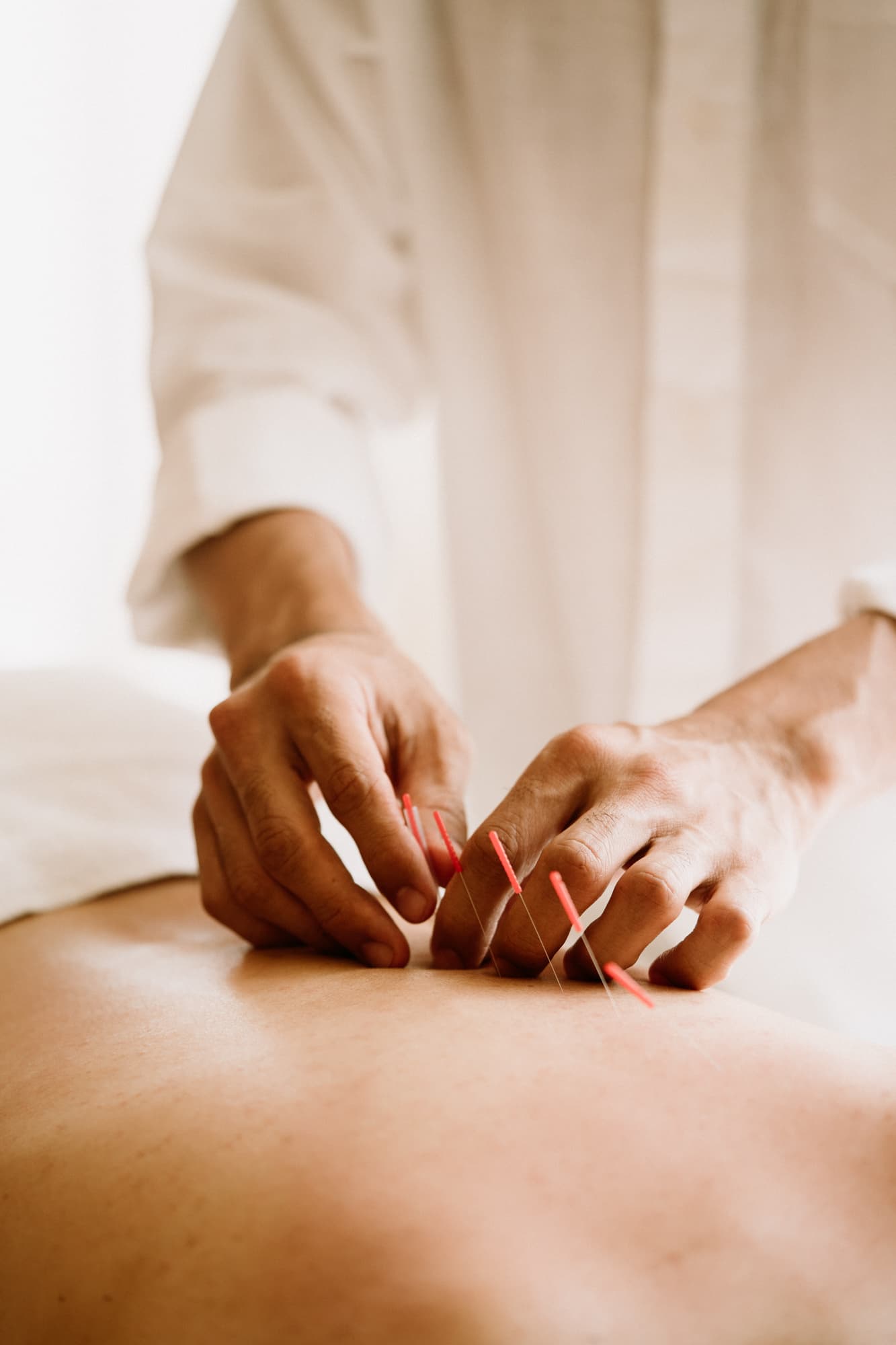
Balancing the energy flow in this way corrects the body’s overall energy system. As a result, pain can be alleviated, muscular stiffness or tension reduced, and your range of motion improved. A variety of other conditions, ranging from insomnia to chronic backaches or migraines can be treated.
While many people find standard Chinese acupuncture rather painful, most patients find Japanese acupuncture much softer, gentler and less painful – almost painless in many cases. This is possible because Japanese acupuncture not only uses much finer needles, but also a variety of non-invasive techniques – “acupuncture without the needles.”
According to Traditional Oriental Medicine, diseases and other physical problems occur when a person’s life balance has become upset. Conventional medicine mainly attempts to treat the symptoms caused by this imbalance, primarily through the use of drugs. Although the symptoms are suppressed by the medicine, the underlying life balance issues remain unresolved.
Conditions that respond well to Traditional Japanese Acupuncture
For trail runners
IT Band syndrome, runner’s knee, patella pain & tendonitis, other types of knee pain, plantar fasciitis & foot pain, Achilles tendonitis, tendinopathy, shin splints, hip pain, bursitis, sciatica
For rock climbers
Shoulder issues such as subacromial impingement and rotator cuff tendinitis, lateral epicondylalgia, triangular fibrocartilage complex (TFCC), hip joint, knee and ankle issues
For paragliders
Sprains, dislocations and tightness of the shoulder muscles, faster and more effective recovery from fractures and broken bones
For MTB’s
Wrist and hand injuries such as triangular fibrocartilage complex (TFCC), shoulder and neck issues such as cervical radiculopathy and spondylosis, concussions
For skiers
Whiplash and concussions, MCL and other knee-related injuries, faster and more effective recovery from ACL
For snowboarders
Whiplash and concussions, faster and more effective recovery from shoulder dislocations and fractures
For cyclists
IT band syndrome, patellofemoral pain syndrome and Achilles tendonitis
For hikers
Strains & sprains, Morton’s neuroma
For tennis players
Lateral epicondylalgia (tennis elbow), rotator cuff tendinitis (shoulder impingement), sprained ankles
Core of Traditional Japanese Acupuncture
An acupuncture is, on the other hand, a treatment system which activates the patient’s own innate self-healing power to the maximum possible extent. It recognizes the fundamental importance of these underlying imbalances and accepts them as part of the overall life process, which even includes diseases and their symptoms. Through acupuncture treatment aimed at regulating and correcting the life balance, the patient’s self-healing power is activated and, as a result, the condition is eased.
Traditional Oriental Medical philosophy teaches us that health is not only the absence of pain and disease, but also includes the body and mind’s ability to cope with changes in our lives and environment and restore our natural balance. With Traditional Japanese Acupuncture, our energy balance can be re-established if it’s lost, and improved even when we are healthy. According to it’s philosophy this treatment system is especially good for the treatment of pain, strengthening of the immune system and relief from the symptoms of chronic diseases.
Traditional Japanese Acupuncture is a painless acupuncture style and a way of thinking which underlies all of my treatment approaches. Its basic assumption is that disease can only manifest when a person’s emotions are out of balance, and that this balance can be restored through acupuncture and becoming aware of one’s emotional and mental reaction patterns. I have found it to be a very effective approach for chronic physical complaints, anxiety, depression, worrying and over-thinking.
Image credit
- Method – Acupuncture for Sports – : Photo created by wavebreakmedia_micro
- What are the benefits of using acupuncture in conjunction with physiotherapy?: Photo created by prostooleh